Original Article by David Slipher at VCU.edu
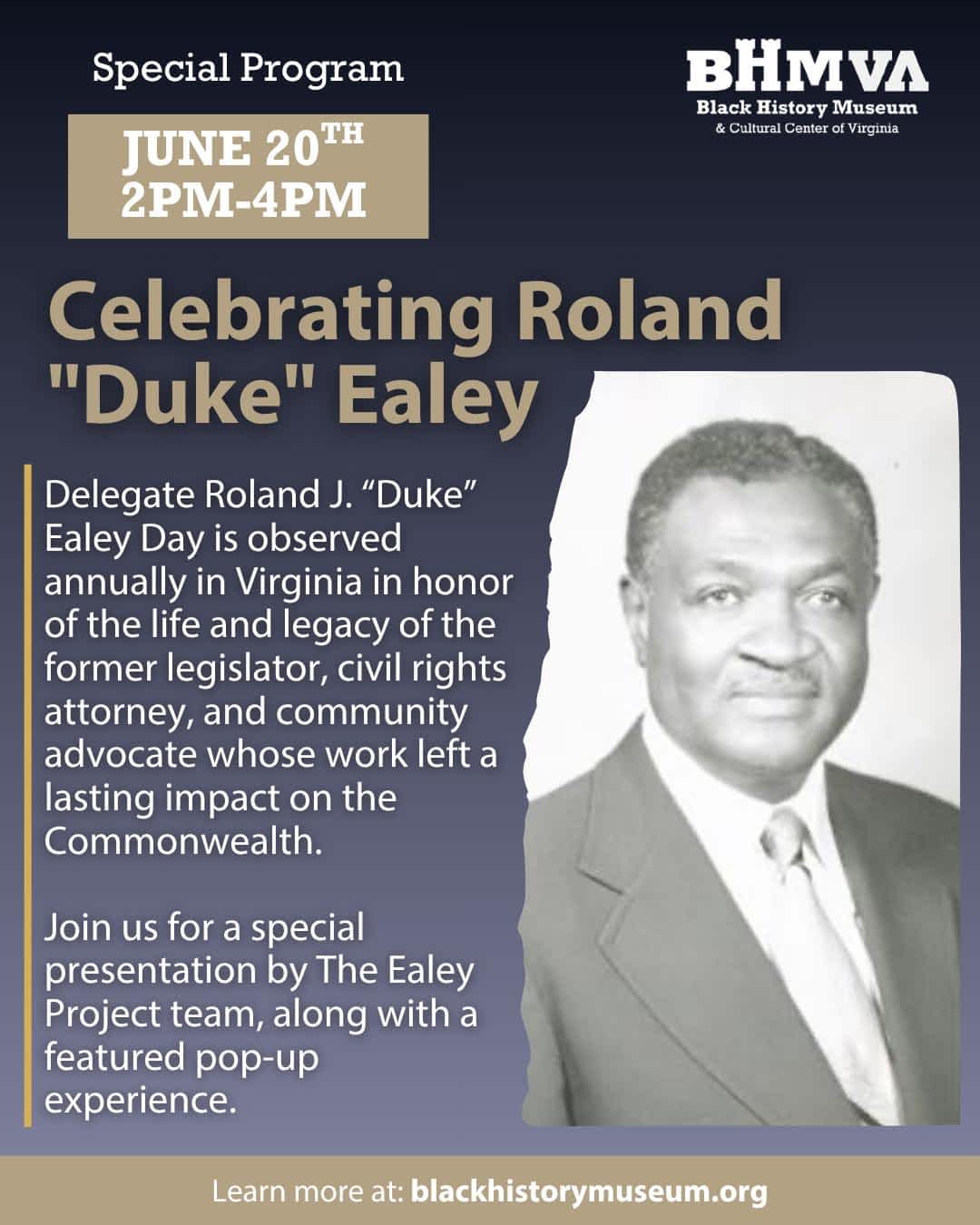
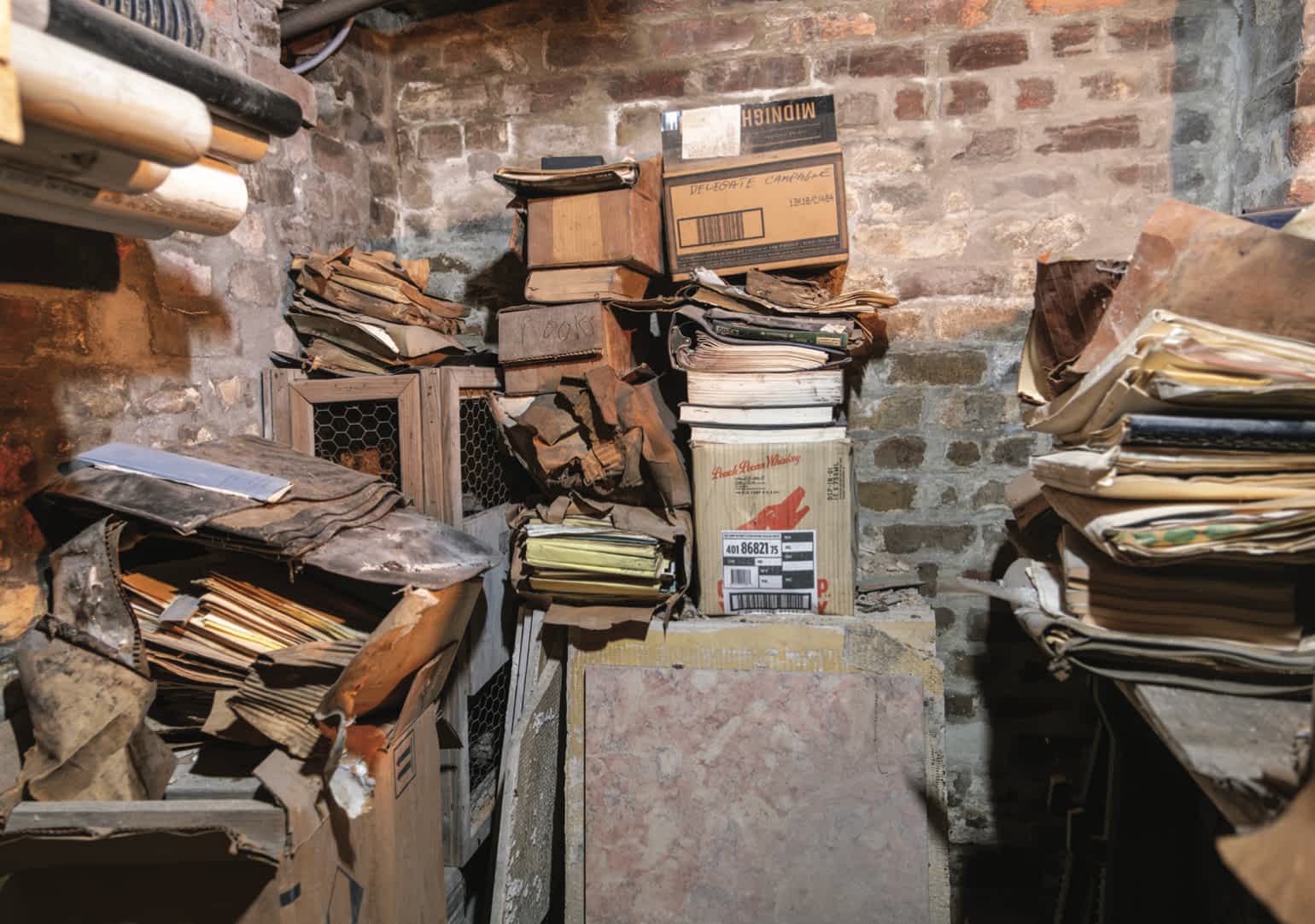
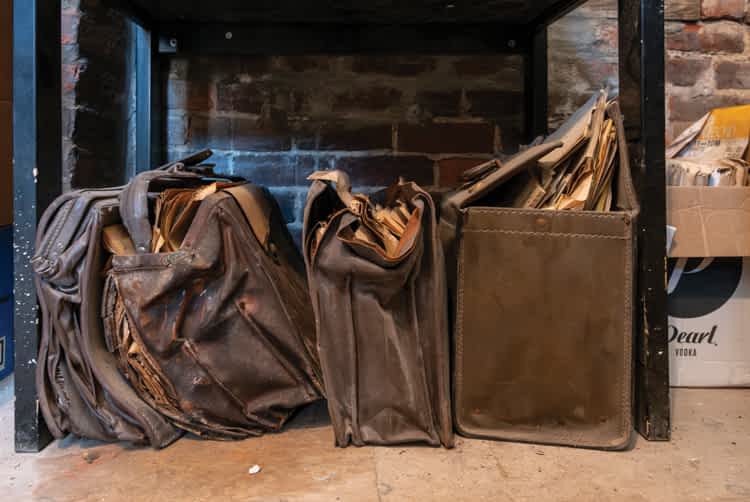
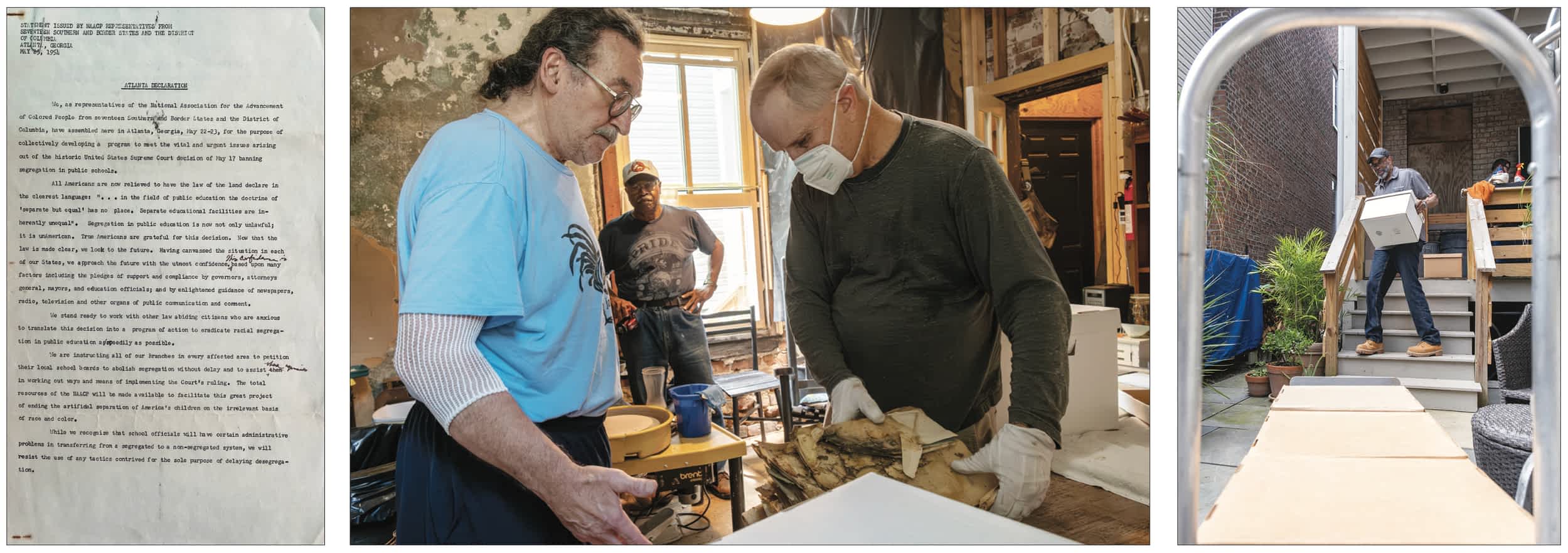
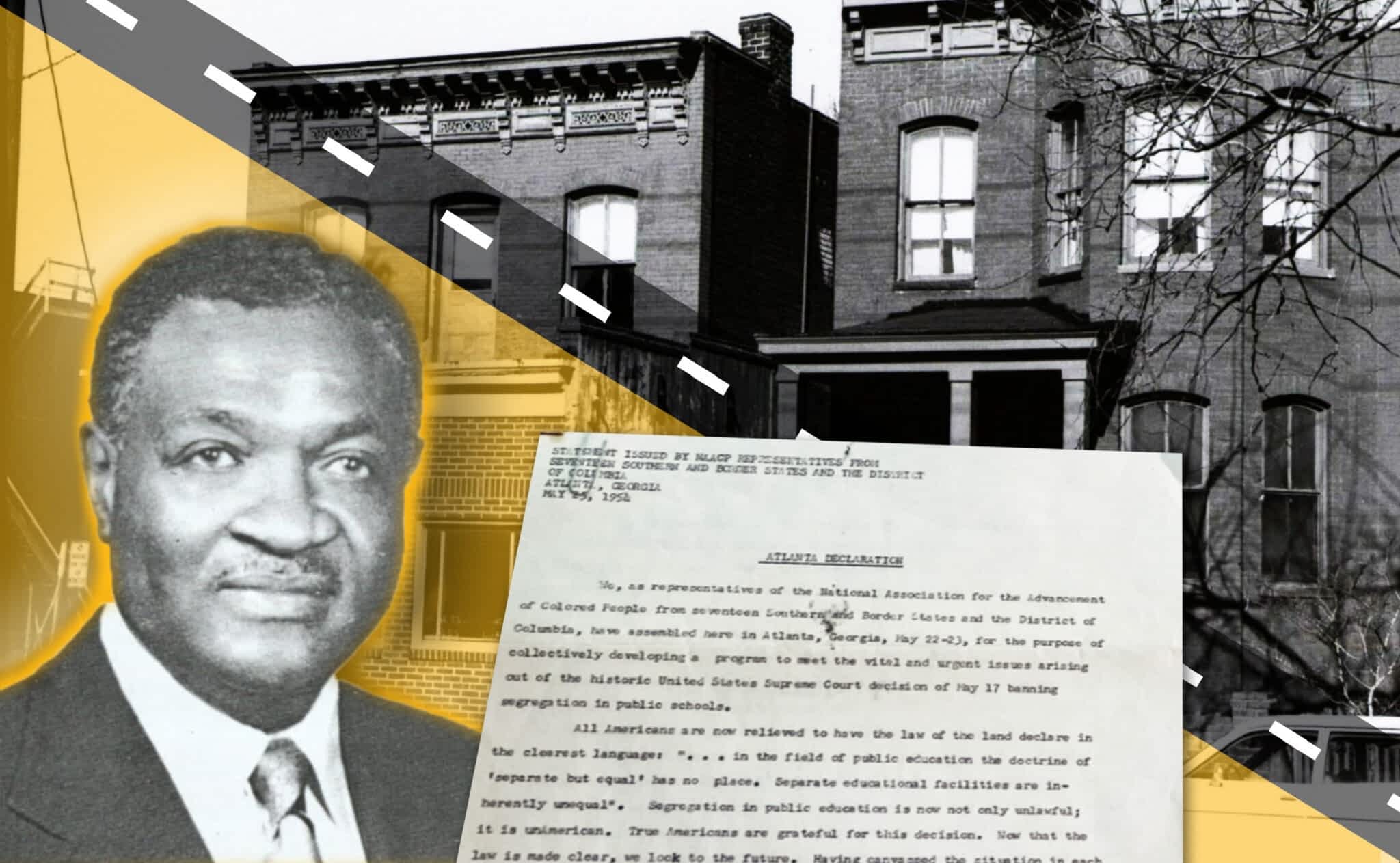
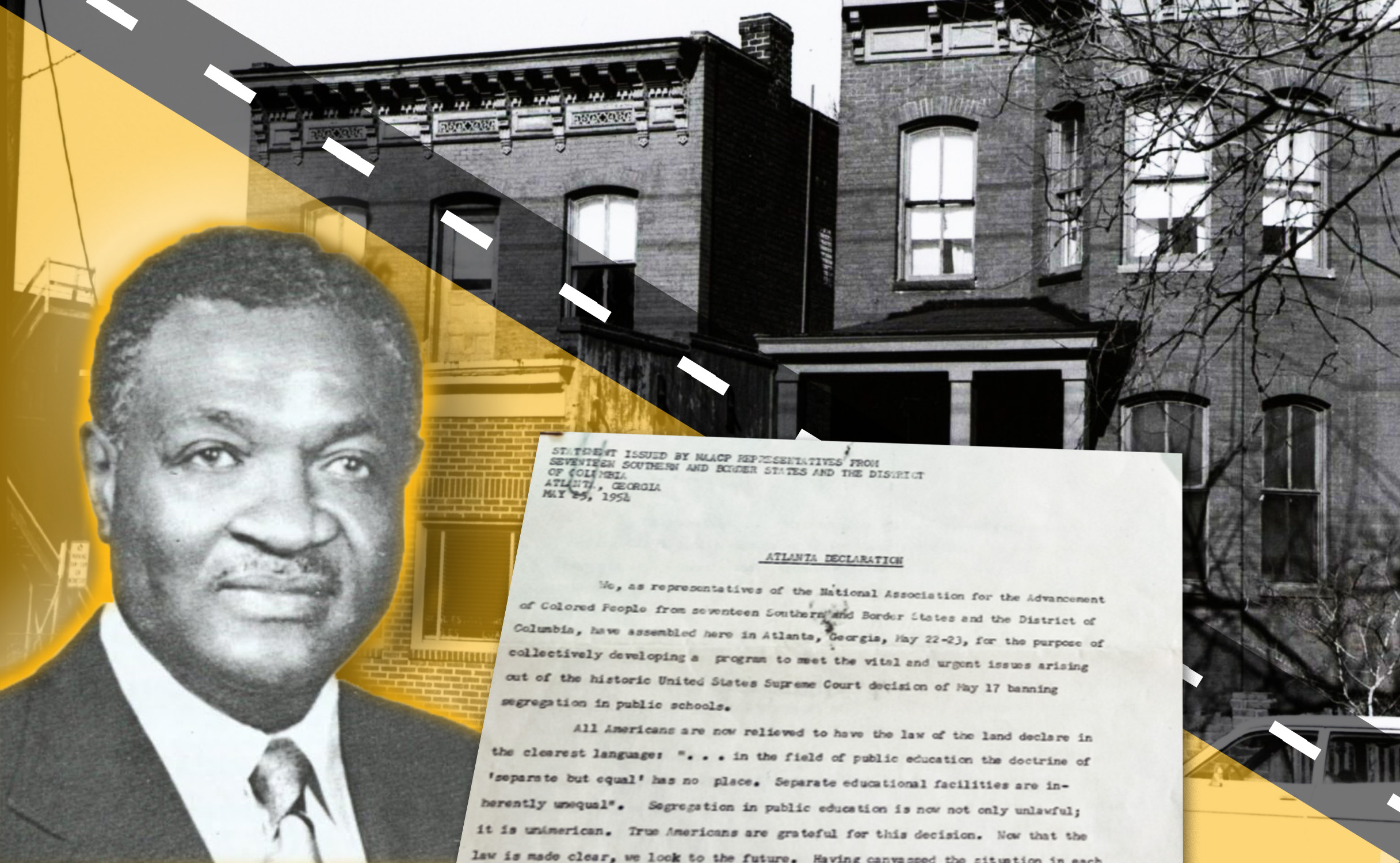
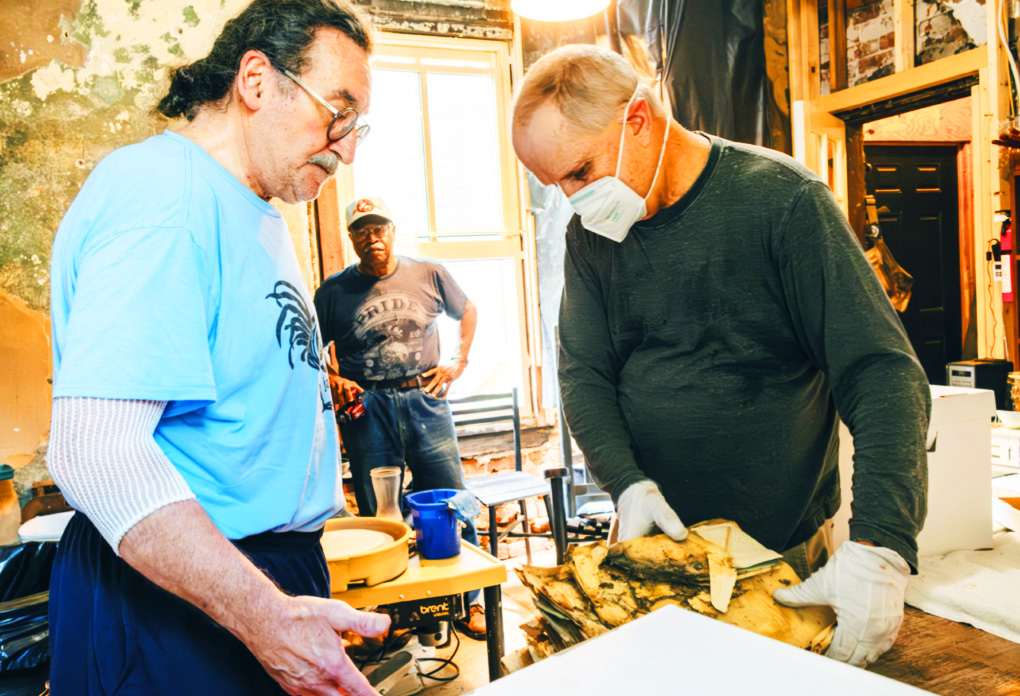
Longtime community organizer Jim Vigeant founded The Ealey Project after unexpectedly discovering a collection of 230,000 historic documents in the basement of a home he was renovating. The archive, hidden for decades, belonged to attorney and Virginia State Delegate Roland J. “Duke” Ealey, a leading civil rights advocate. The discovery and its preservation is creating opportunities for students and researchers to uncover the past. We sat down with Jim to learn more about what drives his passion to collaborate with VCU.
Across Richmond, community organizations, neighborhood leaders and residents converge to partner with VCU. Through the voices of our neighbors closest to this work, we explore how collaboration with an urban campus supports community goals and enriches real-world impacts.
What does VCU, as an urban campus, specifically bring to community engagement?
It brings respect and genuine neighborly relationships. We now have a very, very solid relationship with the VCU Division of Community Engagement. They are clearly a cut above. And it was what VCU President Michael Rao had as a vision. We now share that vision, and we are grateful for him stepping forward and allowing it to evolve. It made a difference.
We’re working very closely with Dean Gary Cuddeback and the School of Social Work Evaluation Lab on grant writing, which is extremely relevant to the growth of our efforts with The Ealey Project. We’re working with Dr. Brian Daugherity, a professor and director of internships in the Department of History, and we just completed an internship with one of his graduate students, Emily Keppel. You’ll be able to see her work within The Ealey Project pop-up exhibit at the Black History Museum and Cultural Center of Virginia from June 17 through Aug. 29. We’re hosting a collection of Ealey’s documents on the landmark desegregation case, Brown v. Board of Education.
How do you hope researchers, students and future generations will use The Ealey Collection once it is fully preserved and accessible?
Once the Ealey Collection is fully archived and partially digitized by the Library of Virginia, The Ealey Project has expressed its desire for a three-year extension before releasing the collection to the general public so that we can have our research teams and anybody who’s at the table — like VCU researchers — get a first look at it.
There’s a lot yet to reveal about the Ealey Collection now that it’s being archived, and according to the Library of Virginia, it is the largest discovery in over seven decades of American civil rights history. Wow. That’s why I can’t stop talking, I get goosebumps.
You’ve spoken about how the heart of The Ealey Project is to “reacquire the soul of our community.” What does that look like?
The quote about the soul of the community came from a neighbor who was in a committee meeting with me when we were making land management decisions for the Historic Jackson Ward Association. She said, you know, they can do all the things they want in our city, but all we want back is the soul of our community.
She was speaking of the bisection of the Jackson Ward by what became Interstate 95, which divided and displaced a vibrant community. And I use her expression regularly now because we’re working closely with the Richmond city planners, and we’re hoping that they are listening.
What we want to do is to restore the real connection of what Jackson Ward means. Right now, Jackson Ward is a divided community. Putting the landmass back would allow the community to feel the space once more, rather than a highway that divides the neighborhood. The original plans were the Jackson Ward Community Plan and the Reconnect Jackson Ward plan. The original concept for Reconnect Jackson Ward was for a bridge across one of the streets.
“If you’ve ever done community engagement work, it is not a quick process. It requires decades of relationships, negotiations and respect.”
– Jim Vigeant, president and co-chair, The Ealey Project
Watch the VCU Division of Community Engagement video “Unearthing a Hidden Civil Rights Legend: The Ealey Project”
If Roland J. “Duke” Ealey were here today, what do you think would matter most to him about his impacts?
He did well. He helped others. And he passed good fortune forward. I think he would be proud of his efforts. He was an icon. When you’ve heard people say, “I stood on the shoulders of giants,” it was Roland J. “Duke” Ealey, along with his colleagues, who were being referenced. That’s how important this man was. That’s who shaped America.
You’re currently working on an oral history project to capture the voices of Historic Jackson Ward. What would you say to encourage community members to participate and share their stories?
Jackson Ward is extremely rich when it comes to our American history. It is a valuable historical representation of who we are as Americans. I’ll tell them, let The Ealey Project video team hook you up to a microphone. Your stories and accounts of our shared American history are exactly what matters. Remember, when you pass on, your oral accounts will go with you, and no one will ever know what you have to say. That’s how important your stories are.
Our first participant, whom we refer to as The Ealey Project’s “first elder,” reached out to us after her daughter showed her our article in the Richmond Free Press. As soon as she read it, she said, I want to tell my stories. We created a waiver for participants so they own the video interview. And that’s what’s called generational wealth development seeds — because it’s for their family to know their stories, what their grandma did, everything.
How will The Ealey Project weave these stories into the larger tapestry that is “the soul of the community?”
We’re putting a team together to review and forensically analyze the videos to identify streets, restaurants and people’s names to gain a broader understanding of what these stories represented. It’s about their neighbors. It’s about their community. It’s about their family relations. It’s about their feelings. Everything. And then you start to connect these pieces, from one story to the next, and there may be overlapping stories that corroborate one another. It’s the community’s fabric and soul. That’s what soul is.
Call to action: Connect and share your oral history with The Ealey Project
“VCU is no longer in a bubble. It has opened its umbrella to the importance of what neighborhoods mean to their campus, their student body and their faculty. It’s not just students who live in our neighborhoods — it’s faculty, it’s administration and it’s a rich community. We call VCU our neighbor now.”